
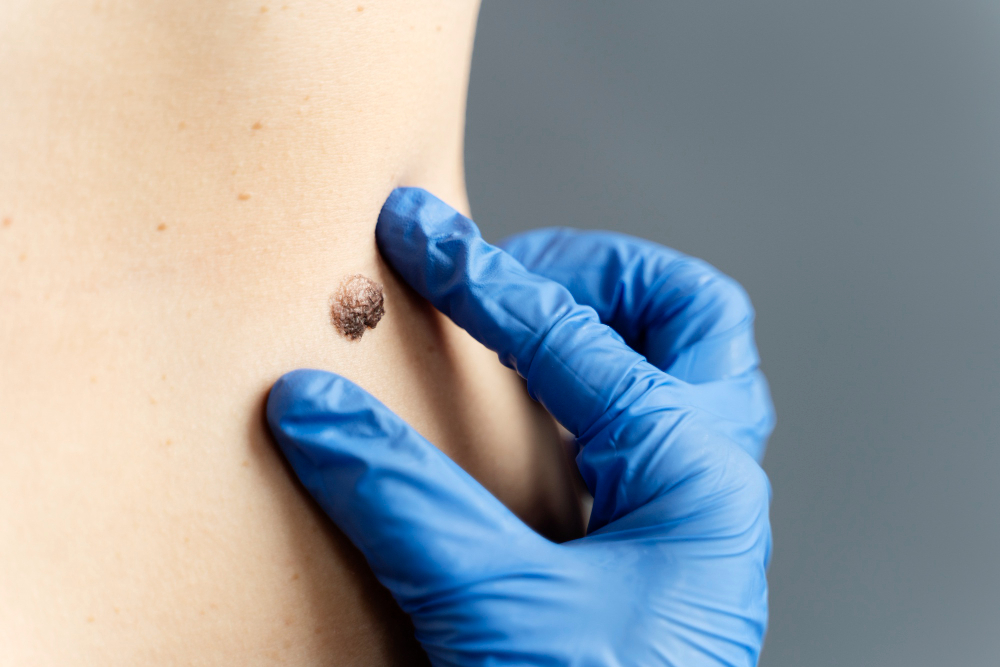
What Are Warts?
Warts are small, rough growths that appear on the skin. They are caused by a virus called human papillomavirus (HPV). Although warts are usually harmless, they can be bothersome or embarrassing. Many people want to know how to get rid of warts quickly and safely. Warts can show up on any part of the body, but they are most common on the hands, feet, and face. While some warts go away on their own, others may need treatment.
Causes of Warts
Warts develop when the skin comes into contact with HPV. This virus enters the body through tiny cuts or breaks in the skin. Not everyone who comes into contact with HPV will get warts, but some people are more likely to develop them. For example, children and people with weak immune systems are at higher risk. Additionally, warts can spread from person to person or from one part of the body to another.
Because HPV is common, warts are a frequent skin problem worldwide. According to the Centers for Disease Control and Prevention (CDC), there are over 100 types of HPV, but only a few cause warts on the skin.
Types of Warts
There are several types of warts, and each type looks a bit different. Knowing the type can help you choose the best wart removal treatment. Here are the most common types:
Each type of wart may need a different approach for removal. However, all are caused by HPV.
Effective Removal Treatments for Warts
There are many wart removal treatments available. Some can be done at home, while others require a visit to a healthcare provider. The best treatment depends on the type, size, and location of the wart. Here are some common options:
Home Treatments
Medical Treatments
According to the American Academy of Dermatology, most warts respond well to these treatments. However, some warts may return and need repeat care.
Prevention Tips
Although warts are common, you can take steps to lower your risk. Here are some simple tips:
By following these tips, you can help prevent warts from spreading to others or to different parts of your body.
When to See a Dermatologist
Most warts are harmless and go away on their own. However, you should see a dermatologist if:
Early treatment can prevent warts from spreading and reduce discomfort. A dermatologist can recommend the best wart removal treatment for your needs.
In summary, warts are common skin growths caused by HPV. While many warts go away without treatment, several safe and effective removal options exist. If you have concerns or stubborn warts, consult a dermatologist at Reshe Clinics for personalized wart treatment and prevention advice.