
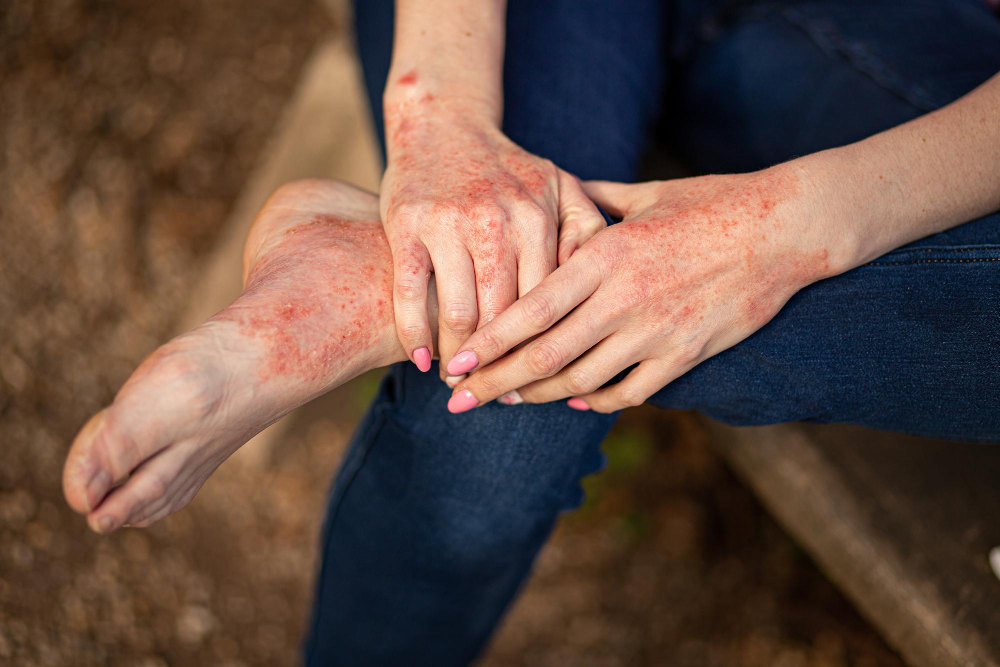
What is Dermatitis (Skin Irritation)?
Dermatitis (Skin Irritation) is a common condition that makes your skin red, swollen, or itchy. Many people experience it at some point. Although it is not usually serious, it can be uncomfortable. For example, you might notice a rash or dry patches. According to the World Health Organization (WHO), dermatitis affects people of all ages. Because there are different types, symptoms can vary. However, most cases involve some form of skin irritation. Early care can help prevent it from getting worse.
Common Symptoms
Dermatitis can look different for each person. Still, some signs are very common. If you have skin irritation, you may notice:
Sometimes, symptoms appear quickly. Other times, they develop slowly. In many cases, the itching can be worse at night. Because scratching can make things worse, it is important to manage itchy skin early.
Main Causes
There are many skin irritation causes. Dermatitis can happen for several reasons. Some of the most common causes include:
For example, touching poison ivy can cause a rash. On the other hand, some people get dermatitis from wearing jewelry. Because triggers are different for everyone, it helps to know your own risks.
How Dermatitis is Diagnosed
Doctors use several steps to diagnose dermatitis. First, they will ask about your symptoms and medical history. Next, they will look closely at your skin. Sometimes, they may do tests, such as:
Because many skin problems look alike, a doctor’s exam is important. Early diagnosis can help you get the right dermatitis treatment options.
Treatment Options
There are many ways to treat dermatitis. Your doctor will choose the best plan for you. Common dermatitis treatment options include:
In addition, your doctor may suggest avoiding triggers. Because each case is different, always follow your doctor’s advice. According to the Centers for Disease Control and Prevention (CDC), most people improve with proper care.
Lifestyle Tips and Prevention
Although dermatitis can be bothersome, you can take steps to prevent flare-ups. Here are some tips for managing itchy skin and learning how to prevent dermatitis:
Because prevention is easier than treatment, these habits can help keep your skin healthy.
When to See a Doctor
Sometimes, home care is not enough. You should see a doctor if:
Because some skin conditions need special treatment, a dermatologist can help. Early medical advice can prevent problems and help you feel better sooner.
For personalized advice on managing dermatitis, consult a dermatologist at Dr. Reshe Clinics . They can help you find the best treatment for your skin.