
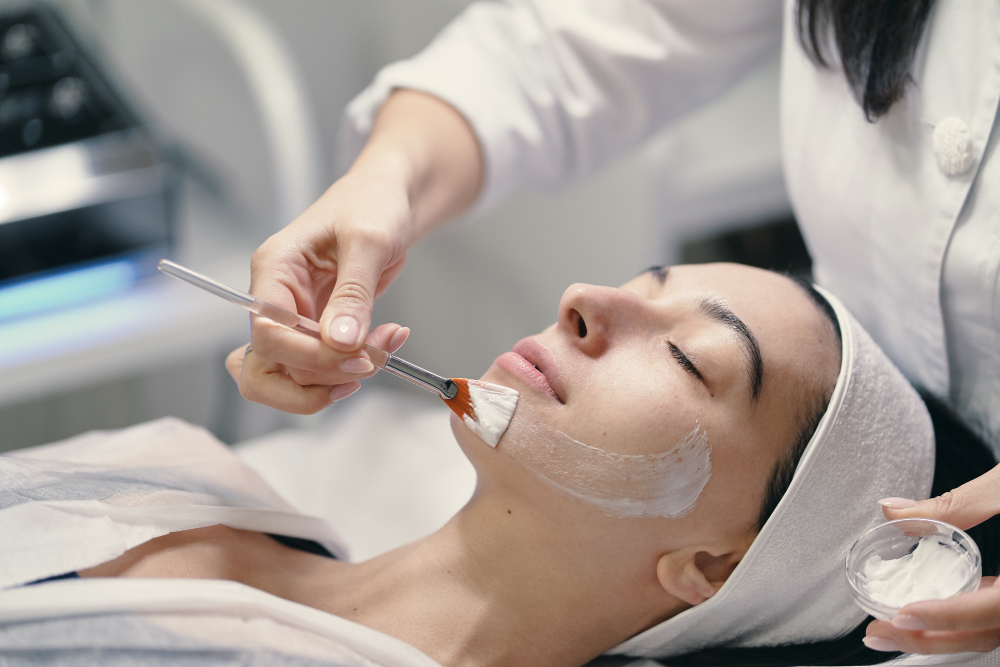
Introduction to Chemical Peeling
Many people ask, “What is chemical peeling?” Chemical peeling is a skin treatment used to improve the look and feel of your skin. In fact, it is a popular choice in dermatology clinics. During this procedure, a special solution is applied to your skin. As a result, the top layers peel off, revealing fresher skin underneath. People often choose chemical peels for skin rejuvenation and to treat certain skin problems.
How Chemical Peeling Works
During a chemical peel, a doctor or trained professional puts a chemical solution on your skin. This solution causes the top layer to loosen and peel away. After the old skin peels off, new skin grows in its place. Usually, this new skin is smoother and may look brighter. Because of this, many people notice their skin feels softer and looks healthier. Chemical peels can be done on the face, neck, or hands.
Types of Chemical Peels
There are three main types of chemical peels. Each type works at a different depth and is chosen based on your skin needs:
Benefits of Chemical Peeling
Chemical peels offer many benefits. For example, they can help with:
Because of these benefits, many people choose chemical peels for skin rejuvenation. However, results may vary for each person.
Risks and Side Effects
Although chemical peels are safe when done by a professional, there are some risks. It is important to know these before you decide:
Because of these risks, always choose safe chemical peels from certified clinics. If you have concerns, talk to your dermatologist first.
Who Should Consider Chemical Peeling?
Chemical peels are not for everyone. You may be a good candidate if you:
However, some people should avoid chemical peels. For instance, if you have very sensitive skin, active skin infections, or certain medical conditions, you may not be a good candidate. Always check with a certified dermatologist before starting any dermatology treatments.
What to Expect During and After the Procedure
Before the procedure, your skin will be cleaned. Then, the chemical solution is applied. You may feel a mild stinging or tingling. The process usually takes less than an hour. After the peel, your skin may look red or feel tight. In some cases, you may notice peeling or flaking for a few days. Most people can return to normal activities soon, but deep peels may need more recovery time. Because your skin will be sensitive, you should avoid sun exposure and follow aftercare instructions.
Tips for Safe and Effective Results
To get the best results from chemical peeling, follow these tips:
Because everyone’s skin is different, your doctor will give you advice that fits your needs.
Frequently Asked Questions
Conclusion and Next Steps
In summary, chemical peeling is a popular way to refresh your skin and treat certain problems. While there are many benefits, it is important to know the risks and choose safe chemical peels. If you are thinking about this treatment, consult dermatologist at Dr. Reshe Clinics for personalized advice on chemical peeling. They can help you decide if it is right for you and guide you through the process safely.